
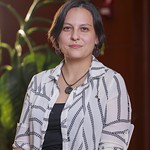
“As someone passionate about using data for justice, this experience showed me how evidence can make visible the realities of those most impacted by the climate crisis, and how community-based data can drive real change”
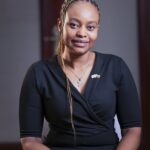
“As a data scientist, the fellowship helped me see data not just as numbers but as stories that can influence change and make a real impact in people’s lives.”

“This was not only a Fellowship, but a journey of growth, empowerment, and solidarity.”
 A nonprofit in Afghanistan, ECOFA’s work touches different sectors with the ultimate goal of creating a sustainable future for the country’s diverse communities. Their small grants project focused on collecting and analyzing water availability and quality data to advocate for gender-responsive local policies. Their work on the project was a critical input in developing their final fellowship projects.
|
A water management expert with years of experience in the field, Zmarai is passionate about facilitating locally-led sustainable climate action. He sees the importance of data in identifying problems and crafting solutions. At ECOFA, Zmarai not only works with data to generate insights but also ensures that policymaking processes are inclusive. |
A strategic thinker and collaborator, Qudratullah works with his colleagues on project planning and implementation. Multitasking different roles and responsibilities, he coordinates with partners to keep ECOFA’s projects on track and maximize the impact of organizational resources. |
During the data fellowship, the ECOFA team built on their small grants project by focusing their fellowship projects on understanding the water scarcity and quality issues in the Kabul and Bamyan provinces in Afghanistan. They documented the worsening groundwater scarcity in the country and the impact of rising water salinity on agriculture.
 Based in Ghana, ICEG works to empower African communities and promote sustainable climate and environmental governance through cutting-edge research, advocacy, and collaboration. Their Small Grants project does just that by using feminist and participatory research methodologies to ensure women’s voices, experiences, and knowledge are at the forefront of coastal climate adaptation efforts.
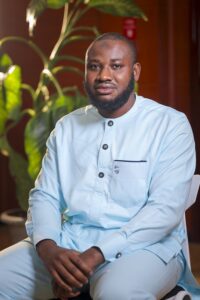 Khiddir Iddris
Lead, Research, MEAL & Strategic Growth
A dynamic and motivated development professional, Khiddir is passionate about using monitoring, evaluation, accountability, and learning tools and strategies for iterative and sustainable change. At ICEG, he uses his project management skills to support numerous projects, interfacing with relevant stakeholders and writing actionable research reports and products. A seasoned data professional, Khiddir works with data across a project lifecycle and supports his team in understanding the power of data storytelling for change.
This is exemplified in ICEG’s Small Grants project, which focused on understanding the needs and adaptation strategies of women living in coastal Ghana. They not only learned about the gendered impacts of climate change but also traditional adaptation methods. Review some high-level findings from the research here.
For his fellowship project, Khiddir wanted to understand whether climate finance is spent primarily on adaptation projects or mitigation strategies in Africa.
 La Ruta del Clima is a Costa Rican NGO that promotes public participation in climate and environmental decision-making through education, awareness, training, and communications strategies. Building on the organization’s community information system on loss and damage in Central America, their small grants project focused on creating and piloting a gender module to facilitate gender-responsive climate action.
|
A researcher with over six years of experience, Angélica built her career completing interdisciplinary research on social development. Through her work, she collaborates with community organizations, public institutions, and regional actors to connect evidence with concrete actions for adaptation and climate justice. |
Maria is an environmental engineer whose research focuses on the design, development, and implementation of projects related to climate change. Throughout her career, she has prioritized issues related to citizen participation, human rights, climate governance, and loss and damage. |
The La Ruta del Clima team’s Small Grants project focused on developing a new participatory gender module for their tool that helps stakeholders understand the non-economic cost of climate crises. Their fellowship projects not only showcased some of the community-generated data they collected but also doubled down on the gendered care burden during climate crises.
 RCMRD is an intergovernmental organization with 20 member states in Eastern and Southern Africa that focuses on leveraging geo-information and allied technologies for sustainable development. Their Small Grants project focuses on empowering local women to participate in wetland inventory mapping in Uganda.
|
A remote sensing expert, Peninah is passionate about using geospatial data for climate action. At RCMRD, she coordinates activities focused on raising awareness, building capacity, and enhancing the uptake of Earth Observation data. This involves holding engagement meetings with stakeholders and partners to identify collaboration opportunities. |
Thriving in a dynamic and purpose-driven environment, Samuel enjoys work that allows him to engage with community stakeholders and analyze social data. Through his work at RCMRD, Samuel brings this passion to life by collaborating with technical teams to ensure the programs reflect the diverse realities of the communities they serve. |
RCMRD’s Small Grants project focused on developing community-generated wetlands maps in Uganda. The Fellows then focused their fellowship projects on understanding the linkages between rising inflation, climate crises, and nutrition in Africa. They also explored the opportunity cost of gendered care burdens on women in Kenya.
 Based in Sri Lanka, EMACE Foundation supports vulnerable communities, especially women, through social enterprise and social justice for a more equitable and sustainable future.
Headshots by Survival Media Agency
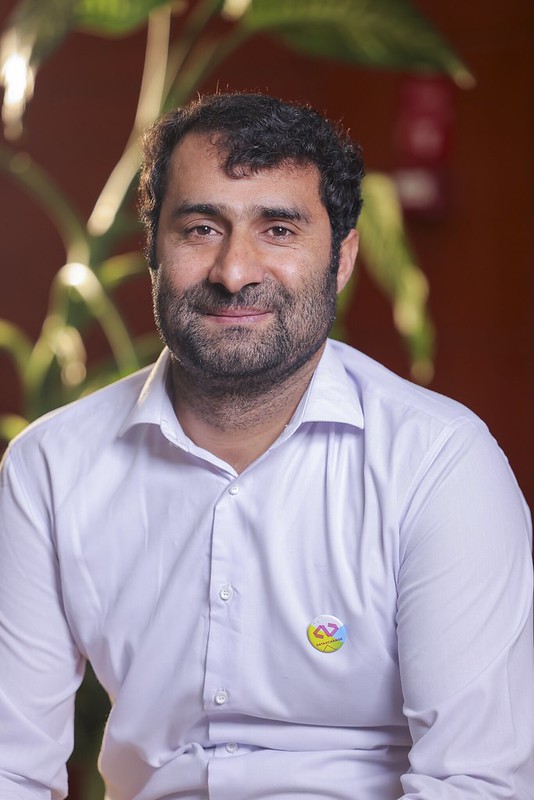 Zmarai Kochi
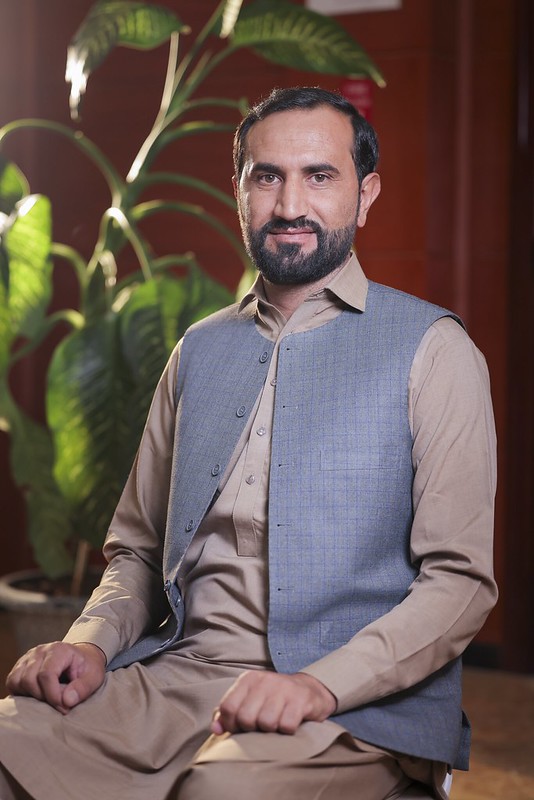 Qudratullah Popalzai
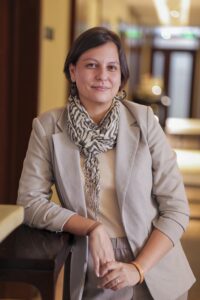 María Angélica Cordero Gamboa
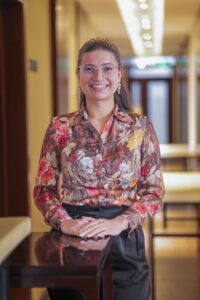 Maria Paula Calvo Barboza
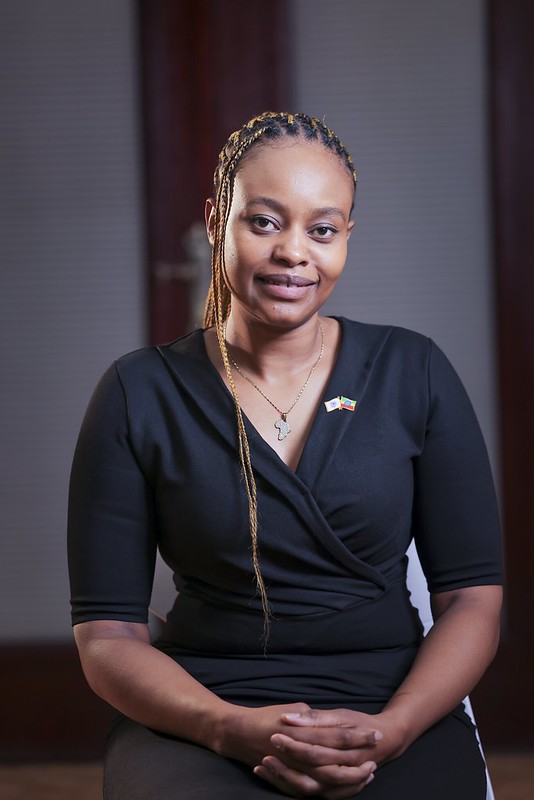 Peninah Njogu
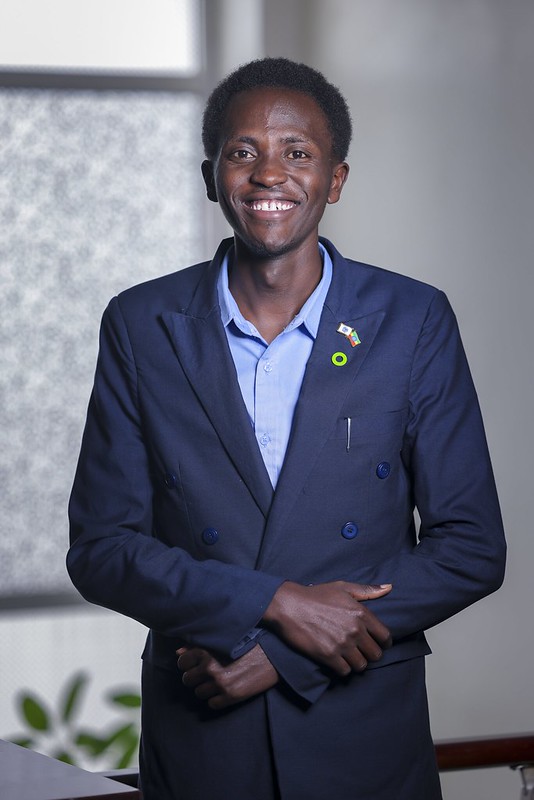 Samuel Kairu